“`html
A Tangy Bite of Southern Comfort: Exploring the World of Fried Pickles
Fried pickles. The very name conjures images of bustling Southern kitchens, county fairs, and the sheer joy of indulging in a surprisingly addictive snack. What started as a regional curiosity has blossomed into a national phenomenon, gracing menus from upscale restaurants to casual diners. But what makes these salty, tangy, crispy delights so irresistible? It’s the perfect marriage of textures and flavors: the sour snap of the pickle, the savory crunch of the breading, and the satisfying burst of salt that dances on your tongue. This article delves into the history, variations, and, of course, provides a foolproof recipe for creating your own batch of perfectly fried pickles at home.
The History of the Humble Fried Pickle
The exact origins of fried pickles are somewhat shrouded in mystery, but most culinary historians point to the Duchess Drive-In in Atkins, Arkansas, as the birthplace of this iconic snack. In 1963, Bernell “Fatman” Austin, owner of the drive-in, is credited with first experimenting with frying pickles. Legend has it that he had an abundance of pickles and, driven by a desire to create something new, decided to toss them in batter and drop them into hot oil. The rest, as they say, is history. While the Duchess Drive-In may be the most widely accepted origin, other claims exist, adding to the lore and charm of this Southern staple.
Why Fried Pickles Work: The Science of Deliciousness
The magic of fried pickles lies in the interplay of contrasting flavors and textures. The acidity of the pickle, typically dill or sour, is balanced by the richness of the batter and the saltiness of the frying process. The crispy exterior provides a satisfying crunch, while the warm, slightly softened interior of the pickle offers a delightful contrast. This combination stimulates multiple senses, creating a truly pleasurable eating experience. Furthermore, the frying process enhances the umami, or savory taste, of the pickle, making it even more addictive.
Variations on a Theme: Exploring Different Fried Pickle Styles
While the basic concept of fried pickles remains consistent – pickles, batter, hot oil – there’s ample room for experimentation and personalization. Here are some popular variations:
- Dill Pickle Spears: These are the classic choice, offering a substantial bite and a satisfyingly sour flavor.
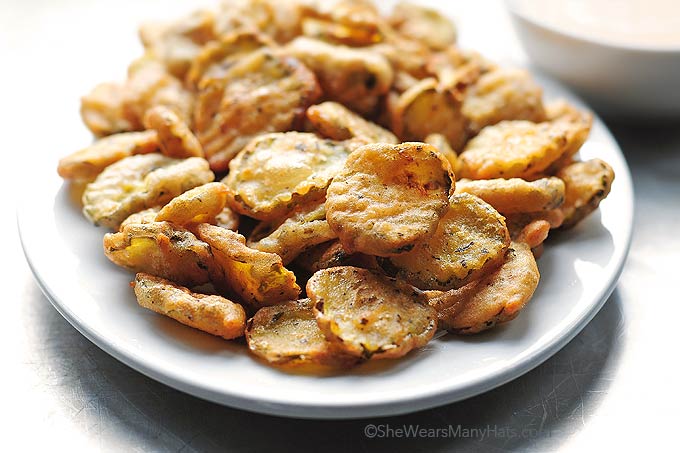
- Pickle Chips: Thinner and crispier than spears, pickle chips are perfect for snacking and dipping.
- Spicy Fried Pickles: A dash of cayenne pepper, hot sauce, or even pickled jalapenos added to the batter can kick up the heat and add an extra layer of flavor.
- Sweet and Spicy Fried Pickles: A touch of sugar or honey in the batter, combined with a pinch of chili powder, creates a delicious sweet and spicy flavor profile.
- Beer-Battered Fried Pickles: Using beer in the batter adds a unique depth of flavor and a lighter, airier texture.
- Cornmeal-Crusted Fried Pickles: Substituting cornmeal for some or all of the flour in the batter creates a coarser, crunchier texture with a slightly nutty flavor.
The possibilities are endless! Don’t be afraid to experiment with different types of pickles, spices, and batters to create your own signature fried pickle recipe.
The Perfect Dipping Sauce: Completing the Fried Pickle Experience
No fried pickle is complete without a complementary dipping sauce. The acidity of the pickle calls for a creamy, cooling sauce to balance the flavors and provide a delightful contrast. Here are some popular dipping sauce options:
- Ranch Dressing: A classic choice, ranch dressing’s creamy texture and herbaceous flavor perfectly complement the tanginess of the pickles.
- Spicy Ranch Dressing: Adding a dash of hot sauce or cayenne pepper to ranch dressing elevates the heat and adds an extra layer of flavor.
- Thousand Island Dressing: The sweet and tangy flavor of Thousand Island dressing pairs well with fried pickles, offering a slightly different flavor profile.
- Honey Mustard Dressing: The combination of sweet honey and tangy mustard creates a balanced and flavorful dipping sauce that complements the saltiness of the pickles.
- Blue Cheese Dressing: The pungent flavor of blue cheese dressing adds a bold and unique dimension to the fried pickle experience.
- Sriracha Mayo: A simple yet flavorful combination of mayonnaise and sriracha sauce provides a creamy and spicy kick.
Experiment with different dipping sauces to find your perfect match. You might even consider offering a variety of sauces to cater to different preferences.
Tips for Achieving Fried Pickle Perfection
Frying pickles may seem simple, but a few key techniques can ensure crispy, flavorful results:
- Use Cold Pickles: Cold pickles help maintain their crispness during the frying process.
- Pat the Pickles Dry: Excess moisture can prevent the batter from adhering properly and result in soggy pickles.
- Use Hot Oil: Maintain a consistent oil temperature of around 350-375°F (175-190°C) for optimal frying. A deep-fry thermometer is essential for accurate temperature control.
- Don’t Overcrowd the Pan: Frying too many pickles at once will lower the oil temperature and result in greasy, undercooked pickles.
- Fry in Batches: Fry the pickles in small batches to ensure even cooking and maximum crispness.
- Drain on Paper Towels: After frying, drain the pickles on paper towels to remove excess oil.
- Serve Immediately: Fried pickles are best enjoyed hot and crispy.
Troubleshooting Common Fried Pickle Problems
Even with the best intentions, things can sometimes go awry in the kitchen. Here are some common problems and their solutions:
- Soggy Pickles: This is usually caused by frying at too low a temperature or overcrowding the pan. Make sure your oil is hot enough and fry in small batches.
- Batter Not Sticking: Ensure the pickles are thoroughly dried before dredging them in the batter. You can also try using a binder, such as cornstarch or flour, to help the batter adhere better.
- Uneven Cooking: This can be caused by inconsistent oil temperature or unevenly sized pickles. Use a deep-fry thermometer and cut the pickles into uniform sizes.
- Burnt Pickles: This is usually caused by frying at too high a temperature. Reduce the heat and monitor the pickles closely.
Fried Pickles Recipe
Ingredients:
- 1 (24 ounce) jar dill pickle spears or chips, drained
- 1 cup all-purpose flour
- 1 teaspoon garlic powder
- 1 teaspoon paprika
- 1/2 teaspoon cayenne pepper (optional)
- 1/2 teaspoon salt
- 1/4 teaspoon black pepper
- 1 cup buttermilk
- Vegetable oil, for frying
Directions:
- In a bowl, combine flour, garlic powder, paprika, cayenne pepper (if using), salt, and pepper.
- Pour buttermilk into a separate bowl.
- Heat vegetable oil in a deep fryer or large pot to 350°F (175°C).
- Dip each pickle spear or chip into the buttermilk, then dredge in the flour mixture, ensuring it’s fully coated.
- Carefully place the battered pickles into the hot oil, frying in batches.
- Fry for 2-3 minutes per batch, or until golden brown and crispy.
- Remove pickles with a slotted spoon and place on a paper towel-lined plate to drain excess oil.
- Serve immediately with your favorite dipping sauce.
Conclusion: A Crispy, Tangy Adventure Awaits
Fried pickles are more than just a snack; they’re an experience. They’re a celebration of flavor, texture, and the simple joy of indulging in something deliciously unexpected. Whether you’re a seasoned fried pickle aficionado or a curious newcomer, we encourage you to try your hand at making them at home. With a few simple ingredients and a little bit of patience, you can create a batch of perfectly fried pickles that will impress your friends, delight your family, and leave you craving more. So, grab a jar of pickles, fire up the fryer, and embark on a crispy, tangy adventure you won’t soon forget!
“`